
Descent

In Ireland, we are told that there are four seasons in one day.
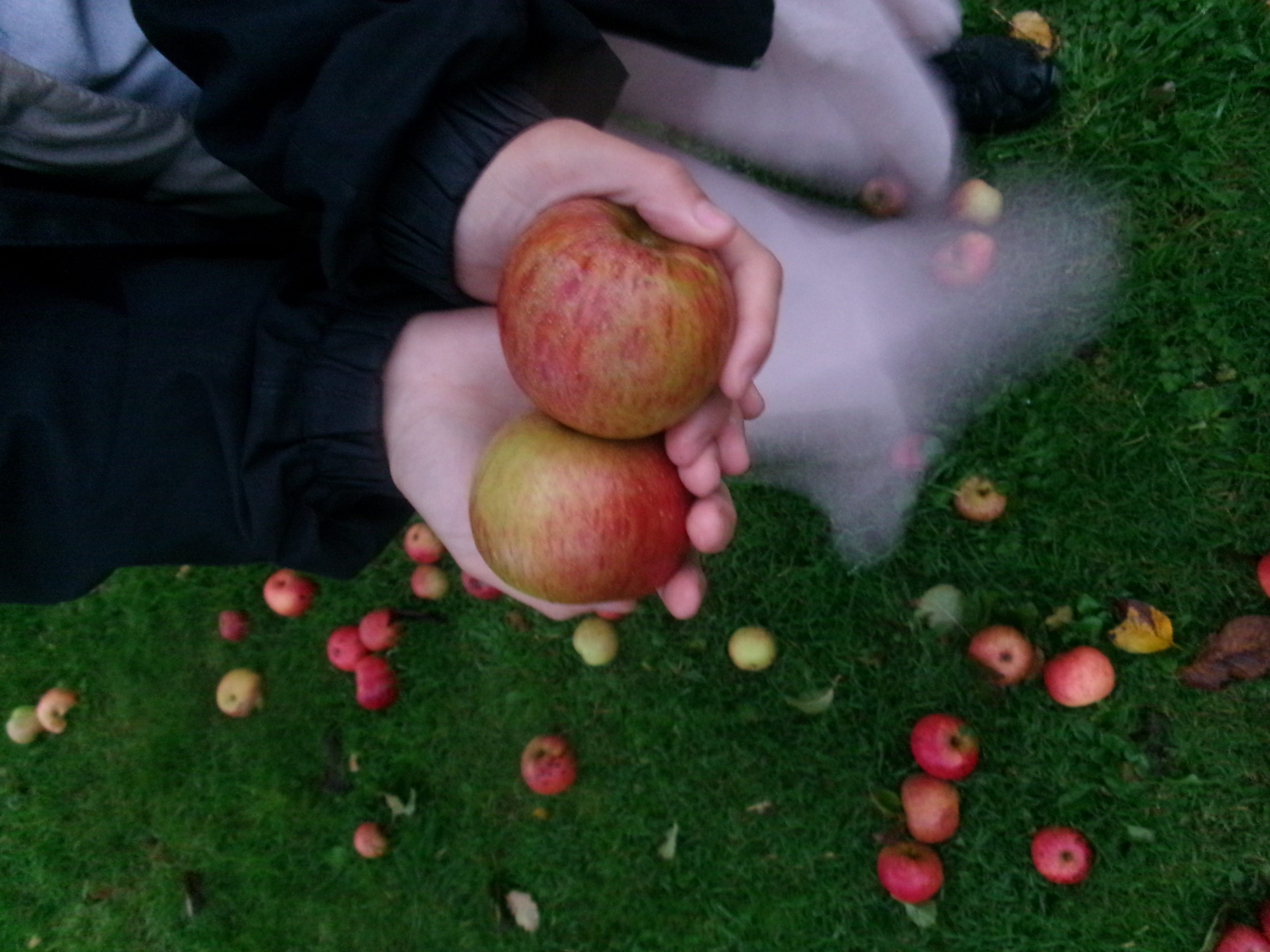
We are on the road, in a rental car, driving to Killarney on the west coast. I am navigating, and my Egyptian American friend is driving because I can’t drive, and she is having to drive on the wrong side of the road. From the window, the sky is an electric blue, and the fields are fluorescent. In the passenger seat, I open my phone to breaking news. The landscape is hilly, mountainous, with clusters of forests, shrubs, sheep, and cows. Jimmy Kimmel says the “MAGA gang” are using Charlie Kirk’s shooting to score political points. This country is beautiful, in a deep and hardened way, more rugged than England, more alive. Trump’s response is to force Kimmel off air, asserting that all networks “against him” should “lose license.” I roll down the window and feel the cold breeze sharp against my skin. My friend tells me to stick my hand out to feel the rain.
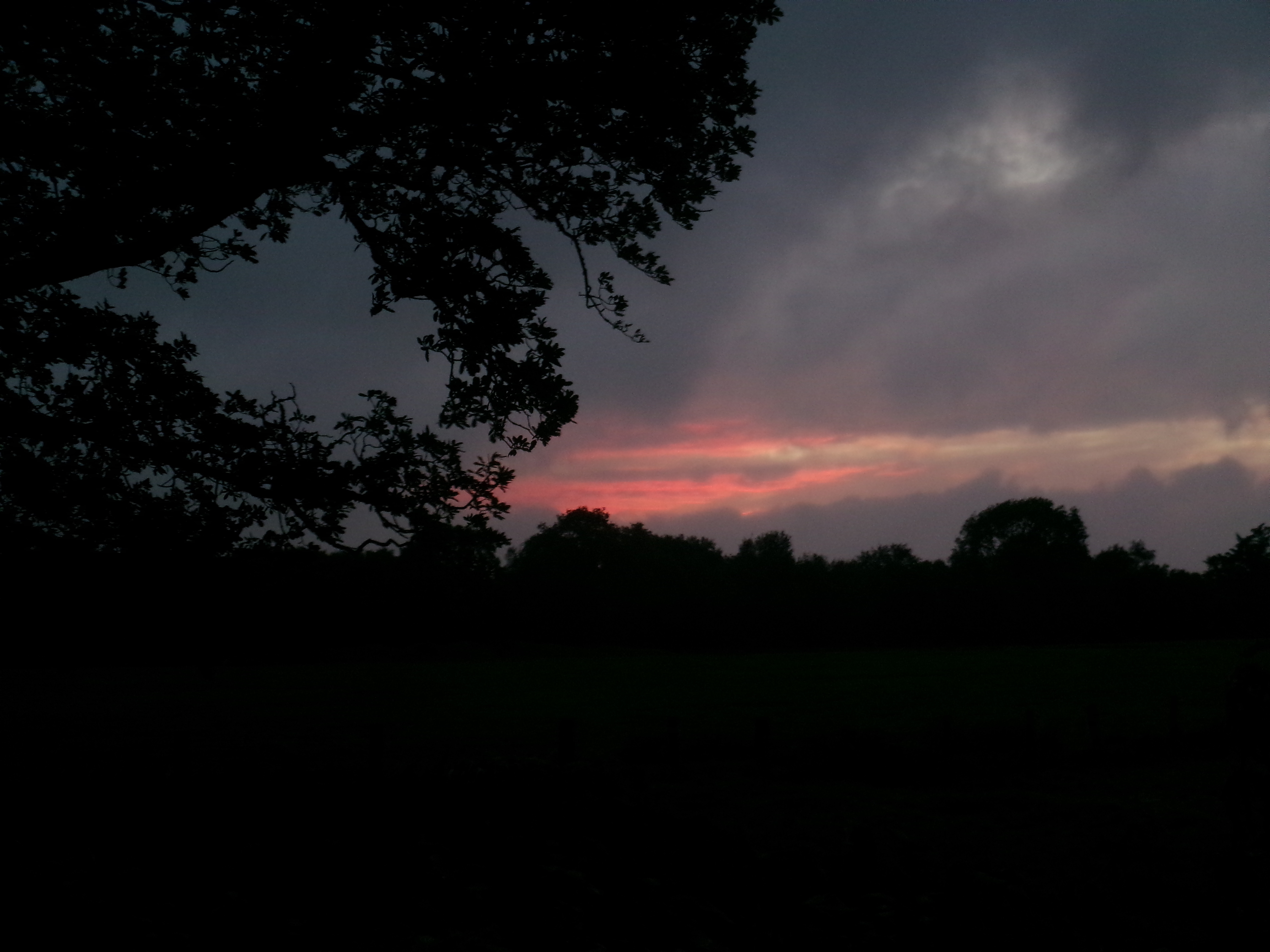
We arrive in Killarney in the early evening, both of us exhausted and excited. We drop our bags in the room and rush outside to be in the evening light. The rainwater floods the ground beneath our feet, seeping in through the soles of my shoes and soaking my socks as if I’m walking barefoot. In the orchard, the apples are blooming, blood red. I bite into one I have plucked from the tree, the sweetness, the wetness drips from my mouth. From the hill, by the apples, behind a medieval stone wall and a large Oak tree, we look up and we watch the sky. The wind is a force rippling through the trees, the leaves. In our eyeline, above the green fields, the breeze that blows beyond us is sliding the sky open like heaven’s hand lifting the curtain, splicing open a riverbank of pink light. There are two birds that we come to understand are bats encircling one another, mirroring each other’s movements. These tiny creatures are slicing, dancing, singing with their wings in the wind, in this holy light.
At breakfast, there’s Irish butter and home-made raspberry jam on the table. I sip my black coffee; we talk about America. I have scrambled eggs on sourdough and Scottish smoked salmon. I sip my black coffee; we talk about apocalypse. I squeeze lemon and pepper all over my plate. There is fear in my friend’s eyes. I sip my black coffee and look out the enormous windows in the drawing room – the view is breathtaking – the clouds have cleared, and the mountains are giants in the distance beneath a bed of green and blue. My friend is scared for her children and their future. People of colour are being kidnapped in black vans from the streets near her home. She leans in, her voice low and pointed like a laser; her fear now focused. She is paying attention, watching. She doesn’t want to leave her country because she wants to stay and fight. At that moment, a story travels through me, words falling out like a compulsion.
Over a decade ago, as a teenager, I went to Berlin for the first time. I stayed with my dad’s artist friend at his apartment in Kreutzberg with a friend from school. In the evening, after dinner, he showed us a large cupboard in his hallway that was built into the wall. Inside the cupboard, he had pinned hundreds of newspaper cuttings to a board with strings attached, linking headline to headline and cutting to cutting. “We are in big trouble”, he told us between sips of miso soup and buckwheat noodles. “Big, big, big trouble, you see, you see, you don’t understand, you don’t understand where we are headed, look at where we are, Brexit, Le Pen, Europe, the right. We are sleepwalking into it.” He went on like this for an hour, jumping around from headlines to news stories to 1930s history to policies to statistics to reports. His distress was clear, but his tone, his erratic way of explaining, the nasal pitch of his New York accent, the frantic waving in his arms and shaking in his hands– there was an uneasy moment and then a smile. I looked at my friend, and she looked at me. We shrugged and chuckled. We left the table to put our jeans and make-up on for the night ahead. On our way to the club, we got on the U-Bahn, sipping beers as the sun set across the city. As we headed out into the unknown of the night, I sank into my seat and relaxed my eyes. I looked down and in the patterns on the train seat, I could just about make out how someone had joined the lines with a black pen in a particular way. Four lines, four hinges turning clockwise.
The descent is a slow one; it’s an unfurling. When I’m mindlessly looking out from a double-decker bus, watching the city glow from the inside, the leaves scattering on the ground, the conkers collecting on the grass beneath the trees. I bend over and slide them out of their spiky, thick husks, these fresh, gleaming, brown, hard yet softened things. I hold them tightly in my hands and think of playing conkers in the primary school playground. I’m closing my eyes again and remembering a time when things felt easier. Dad did say that it’s never been this bad before, not in his lifetime. It’s a constant bombardment, enforcing collective unfeeling on a mass, global scale. It’s sprinting a marathon: it’s fast and slow, it’s shocking and numbing, we’re reeling, we’re deer in the headlights, but there’s no fatal hit. What’s even worse is when we don’t talk about it. These days, it’s not that wild for things to be this wild. It’s another Wednesday at work with babies burning alive in the morning and then a deadline after lunch and another stabbing or shooting, then a meeting, and a sponge cake that I eat with my breakfast tea, a beheaded pregnant woman. The distance between us and the things that are happening is no longer a distance because we are these things. We have a role in moving things along. We sip black coffee in the face of it all.
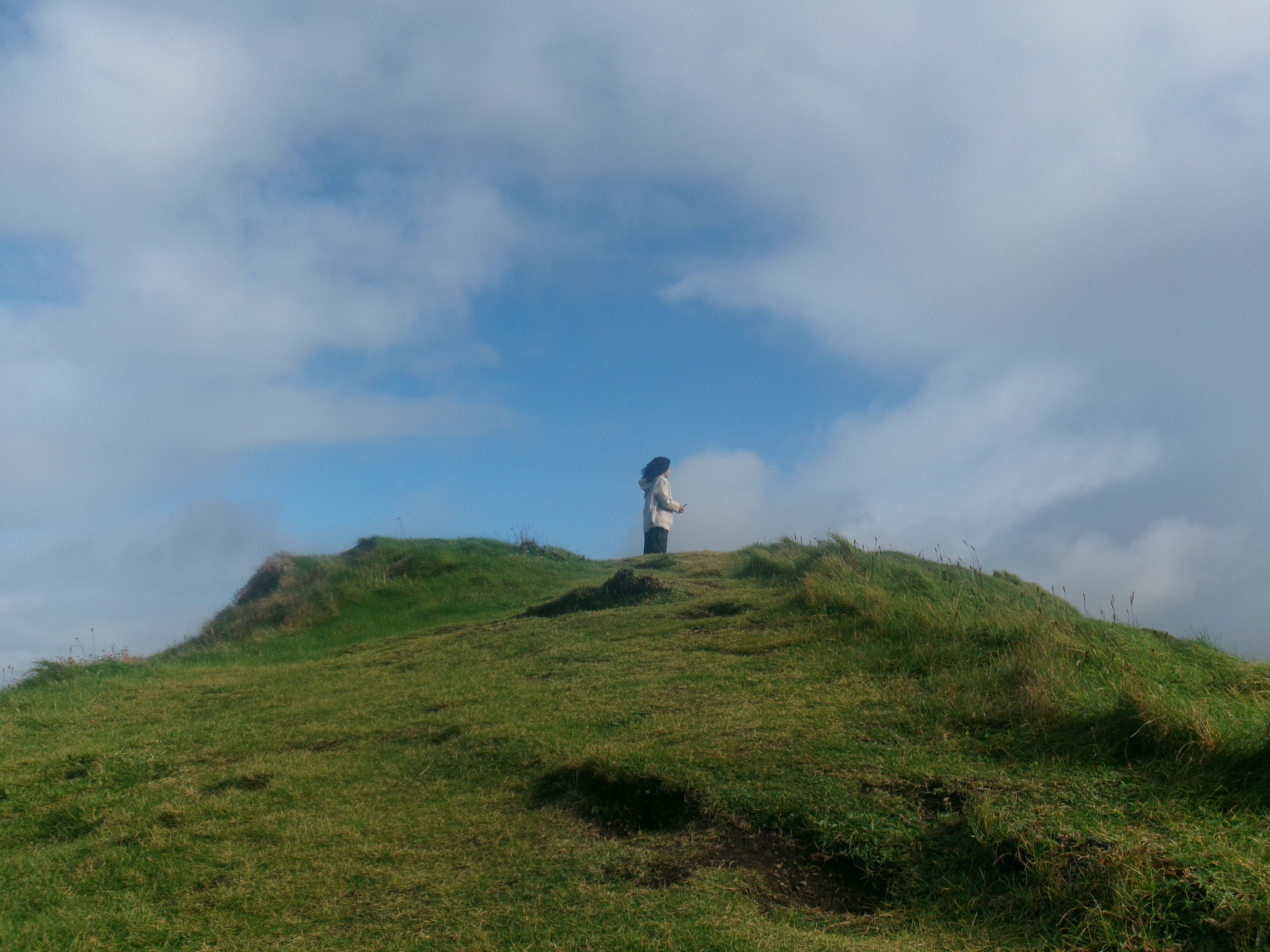
We’re back in the rental car, hurtling towards Gleninchaquin Park. The landscape opens to reveal mountains, with enormous lakes and open fields at their feet. On our left, we pass an ancient stone circle, on the right, the lake reflects the sky. It is impossible to decipher what is up and what is down because the water is a mirror. As we climb higher, towards the flat plain beside the waterfall, we walk up beside a high pass next to a higher altitude lake, the water is completely still, and the voice of the wind expands around us. I walk beside my friend, who is telling me a story about her time living and working in the West Bank. She had crossed Gaza; collected shells from the beach at the sea. She gave them to a local man back in the West Bank. What she saw each day left an indelible mark on her soul. The weight of apartheid seeped into her body. She could not get out of bed. She stopped speaking. Months later, during her final week in the area, she saw the same man once more. Immediately, he pulled his hand from his pocket and produced the shell. He carried the shell every day since she saw him because one day, he said, one day he would see the sea. One day, he will walk on the beach and raise his hand and his heart to touch the sun, the horizon.
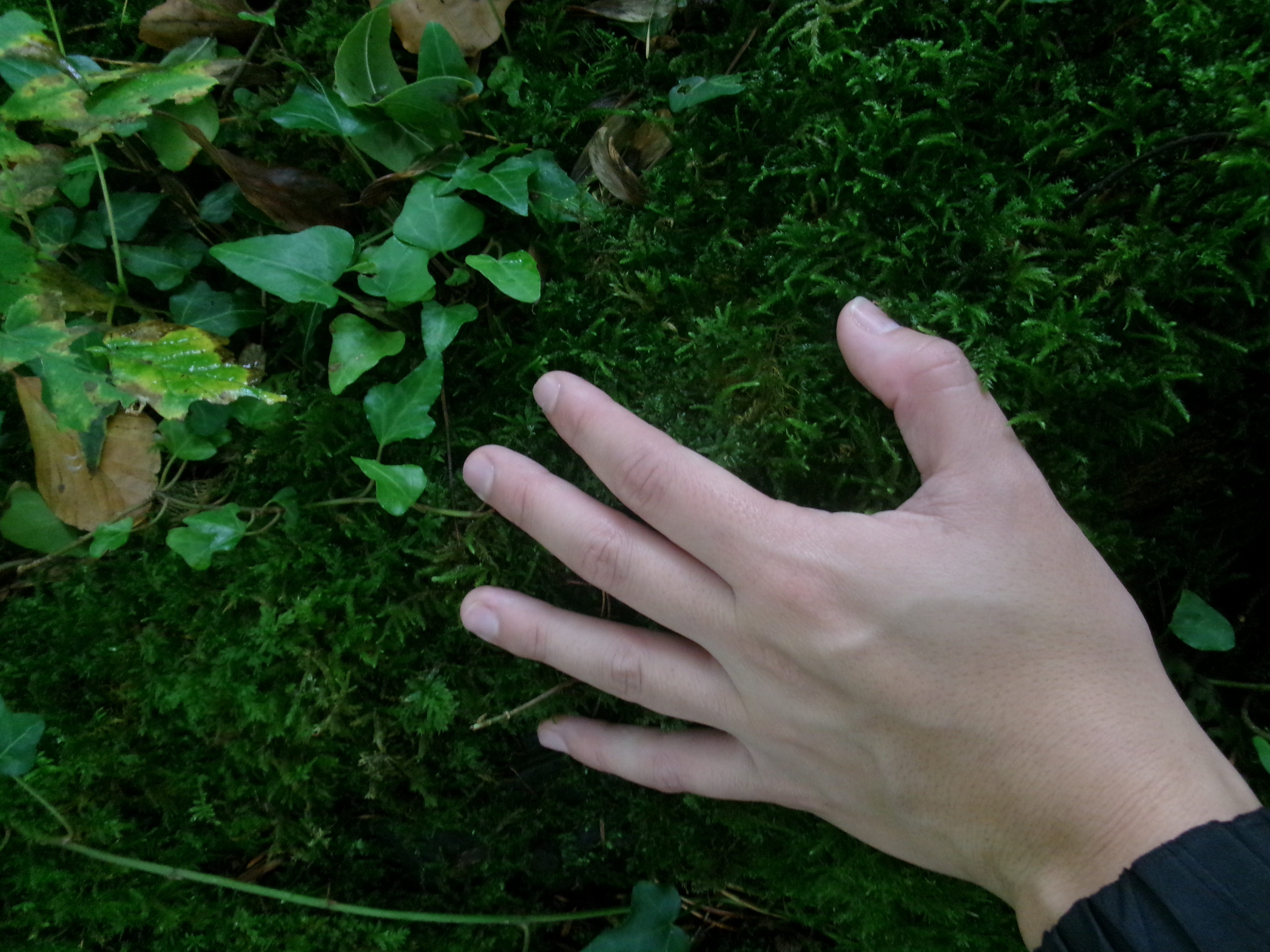
Towards the end of our walk, we cross a small stream. The ground here is soft, we press our hands to the floor, we lie down on the bed of grass. We sink in. She tells me that the ground we are on is here to replenish us, that when we sink in, the earth is rising back to us, to give comfort, to make things easy. We need imagination. She tells me that we need to expand the realms of possibility. That we need to be as dogmatic and as extreme in our fight for our values as they are for theirs. Because so much of the world we know has been reversed and replaced so rapidly, rights stripped, freedom curtailed, violence sanctioned by the state, a genocide that we pay for. The state is clamping down like a boot on the neck, and we are in it, we are it. But then there is something I remember, there is a voice in the wind that is building, a crescendo unsilenced, it’s in the shell from the beach in Gaza, it’s the pink riverbank opening up the sky, the deluge of hope in water that’s a mirror, my hand outstretched feeling the rain from the window of a speeding car, in the crazed man’s eye with a million pins and cuttings and a million reasons to never stop. One minute storm, next minute calm, next minute rain, next minute sun. Everything’s changing, everything’s flexible, nothing is fixed, nothing is fate. Just as they’ve made the unthinkable thinkable, now we make the impossible possible.
Because in Ireland, we are told that there are four seasons in one day.
Soma - you are truly an inspiration…. and a beautiful writer! Thank you